
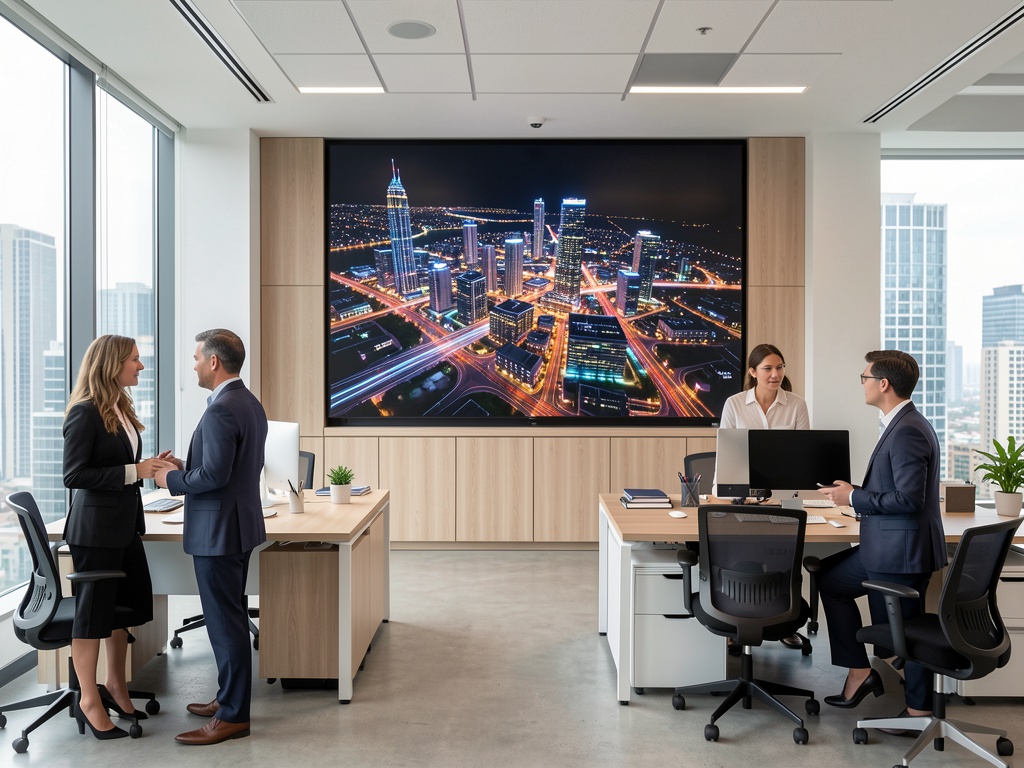
Digital twins used to belong to jet engines and factory lines. Now city planners zoom into neighbourhood models that predict where a new bus lane snarls traffic or where stormwater pools after a cyclone.
The value depends entirely on data hygiene. Garbage sensors in, confident nonsense out. Cities investing in shared data standards get usable twins; cities chasing 3D eye candy get expensive visualisers.
Public trust is fragile. People want to know what is simulated about their street and who can change the knobs. Open documentation helps.
Used well, a twin is a rehearsal space for decisions that used to be irreversible. That alone justifies the quieter projects over the flashiest renders.
Digital twins help cities rehearse decisions — if the data isn’t theatre.
- Fund sensors and standards before fancy 3D skins.
- Publish what is simulated about each street.
- Tie models to flood, traffic, and energy questions people feel.
- Prefer dual-run validation over launch-day spectacle.
A twin is a rehearsal room. Treat it that way and it earns its keep.
None of this arrives as a clean discontinuity. It shows up as slightly different meetings, slightly different checklists, and a few people who quietly stop doing the old workaround because the new path finally hurts less.
Seen up close, the pattern is less about breakthrough theatre and more about quieter competence: fewer surprises, clearer owners, and tools that survive contact with Tuesday afternoon.