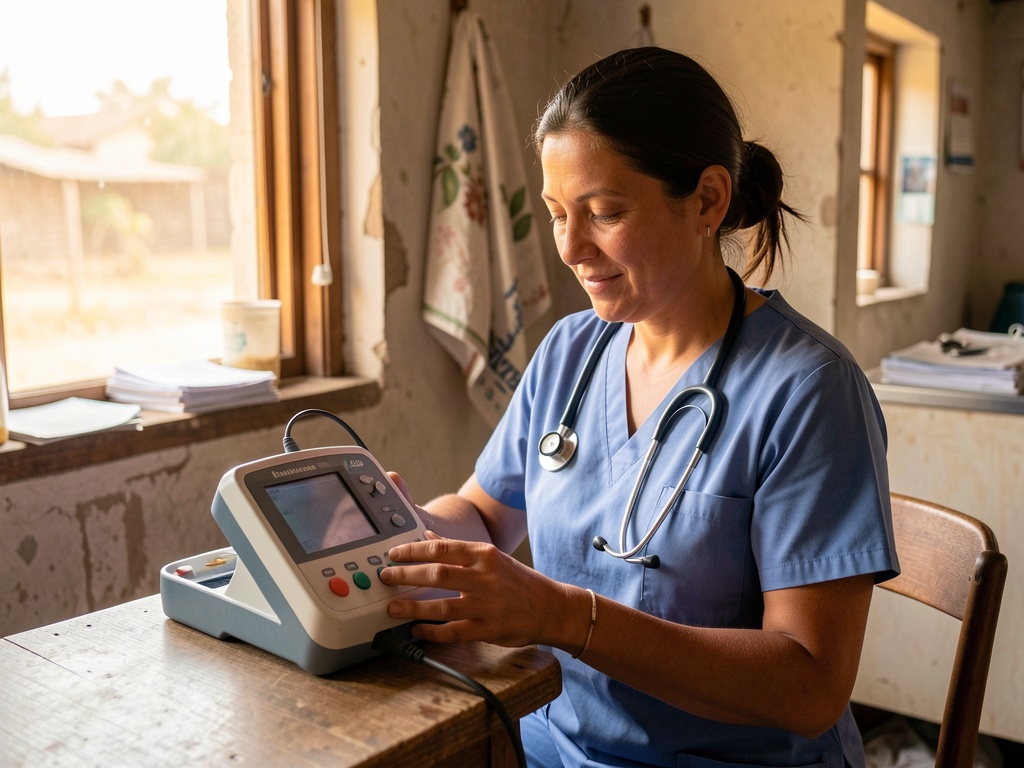
A nurse in a remote clinic used to draw blood, ship a sample, and wait. Portable diagnostic kits — some paper-based, some palm-sized readers — are collapsing that wait into a single visit.
Accuracy varies by test, and training matters. The clinics succeeding treat devices as tools inside a protocol, not magic boxes. Telehealth links fill gaps when results need specialist eyes.
Supply chains for reagents can still fail at the worst moment. Redundancy and local storage plans separate pilots from durable programmes.
Innovation here isn’t glamorous. It’s a parent leaving with answers the same afternoon — and a health system that finally reaches past the highway.
Portable diagnostics shrink the wait between consult and action — when protocols travel with the device.
| Success factor | Failure mode |
|---|---|
| Staff training | Magic-box thinking |
| Reagent storage plans | Stockouts mid-outbreak |
| Telehealth backup | Results with no specialist path |
The innovation is a parent leaving with answers the same afternoon. Everything else is packaging.
None of this arrives as a clean discontinuity. It shows up as slightly different meetings, slightly different checklists, and a few people who quietly stop doing the old workaround because the new path finally hurts less.
Seen up close, the pattern is less about breakthrough theatre and more about quieter competence: fewer surprises, clearer owners, and tools that survive contact with Tuesday afternoon.