
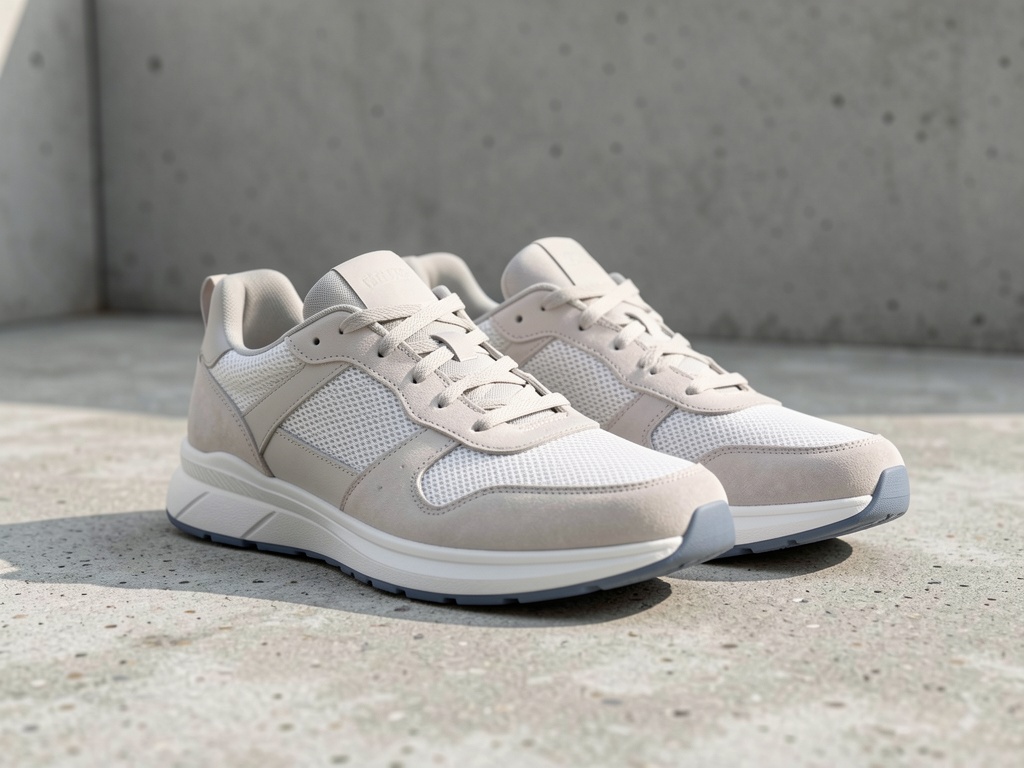
Sustainable sneakers used to mean a limited drop and a TED Talk. Walk into a mainstream store now and you’ll find pairs using lab-grown foams or mushroom-derived uppers without a lecture attached.
Performance still decides loyalty. If the shoe squeaks, stretches wrong, or dies after a rainy month, the story collapses. Brands that treat biomaterials as engineering problems — not marketing props — keep customers.
Supply chains remain fragile. Scaling a lab process is different from scaling cotton. Expect uneven availability and honest SKUs that admit “partially bio-based.”
The quiet win is normalisation: greener materials as default options, not purity contests.
Lab-grown materials in sneakers succeed when they survive rain and boredom, not just lookbooks.
| Claim | What to verify |
|---|---|
| Bio-based foam | Percentage and durability tests |
| Mycelium upper | Wet-flex and abrasion results |
| “Sustainable line” | Whether it’s ongoing SKU or a drop |
Normalisation beats purity contests. Make the better material the default pair.
None of this arrives as a clean discontinuity. It shows up as slightly different meetings, slightly different checklists, and a few people who quietly stop doing the old workaround because the new path finally hurts less.
Seen up close, the pattern is less about breakthrough theatre and more about quieter competence: fewer surprises, clearer owners, and tools that survive contact with Tuesday afternoon.