
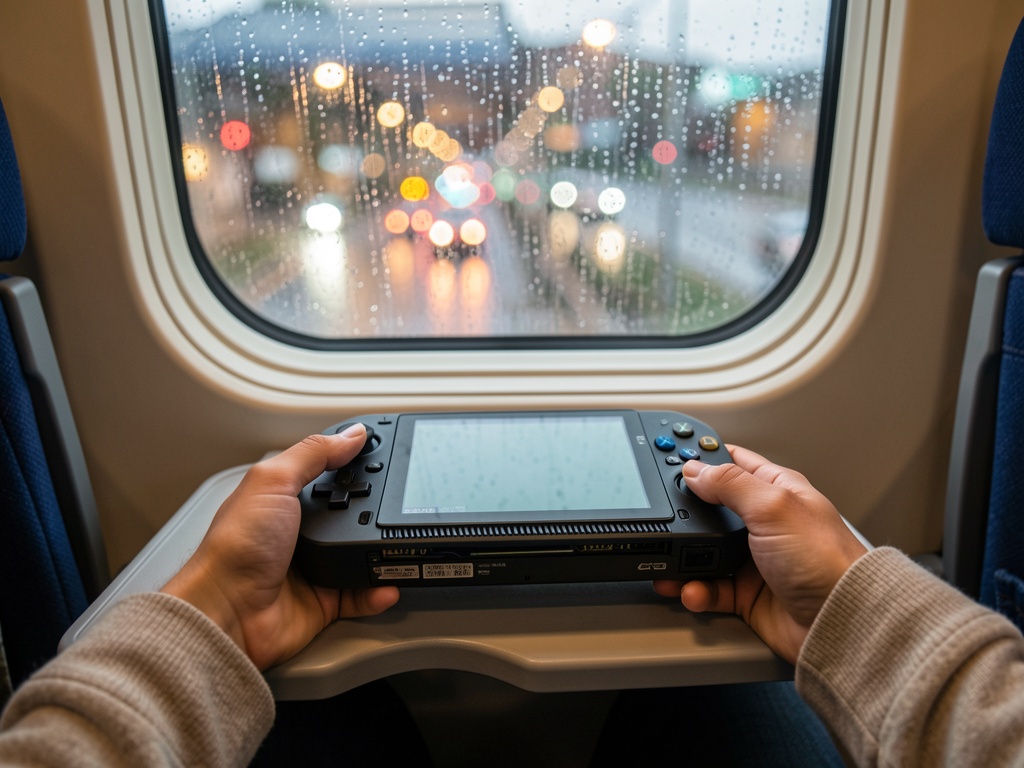
Handheld PCs used to be enthusiast toys that lasted ninety glorious minutes. Newer models stretch battery life and trim weight just enough for the Auckland-to-Hamilton crowd to care.
You’re not getting desktop settings. You are getting a library you already own, playable in a seat pocket form factor. That pragmatic pitch is why sales keep surprising sceptics.
Heat and fan noise remain real. So does the social question of gaming on public transport. Still, for people who refuse mobile ports and hate laptop trays, the handheld sits in a sweet, slightly awkward middle.
The category survives if it stays honest about trade-offs. The moment it pretends to replace every machine you own, buyers bounce.
Handheld gaming PCs live in the gap between phones and laptops — and they’re honest about it.
- Expect fan noise; pack accordingly on quiet carriages.
- Tune for battery first, graphics second, on long trips.
- Use the library you already own — that’s the point.
- Don’t pretend it replaces a desktop forever.
The niche thrives on pragmatism. Overpromising is how it dies.
None of this arrives as a clean discontinuity. It shows up as slightly different meetings, slightly different checklists, and a few people who quietly stop doing the old workaround because the new path finally hurts less.
Seen up close, the pattern is less about breakthrough theatre and more about quieter competence: fewer surprises, clearer owners, and tools that survive contact with Tuesday afternoon.