
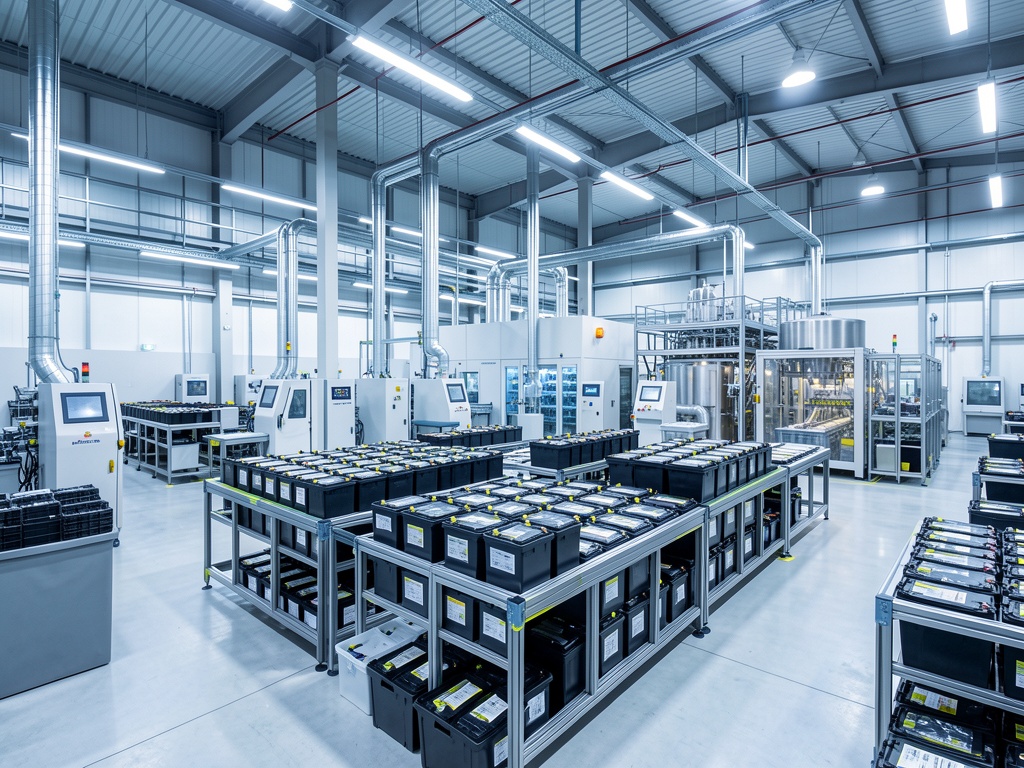
For years, battery recycling was a slide near the end of sustainability decks. Rising metal prices and regulation pushed it into procurement meetings where people argue about tonnes and timelines.
Newer plants report recovery rates that make CFOs listen. Carmakers sign offtake deals for recycled content because virgin mining can’t scale politely enough.
Collection logistics remain the bottleneck. Getting packs out of vehicles and into safe processing is unglamorous work — and the innovation that matters most.
Closed loops won’t be perfect. They can be good enough to blunt the worst scarcity stories, which is how industrial change usually arrives.
Battery recycling enters procurement when recovery rates clear the spreadsheet bar.
| Bottleneck | Why it blocks scale |
|---|---|
| Collection | Packs stuck in vehicles and sheds |
| Safe dismantling | Labour and fire risk |
| Purity of output | Carmakers need consistent feedstock |
Closed loops won’t be perfect. They can be good enough to blunt the ugliest scarcity stories.
None of this arrives as a clean discontinuity. It shows up as slightly different meetings, slightly different checklists, and a few people who quietly stop doing the old workaround because the new path finally hurts less.
Seen up close, the pattern is less about breakthrough theatre and more about quieter competence: fewer surprises, clearer owners, and tools that survive contact with Tuesday afternoon.