
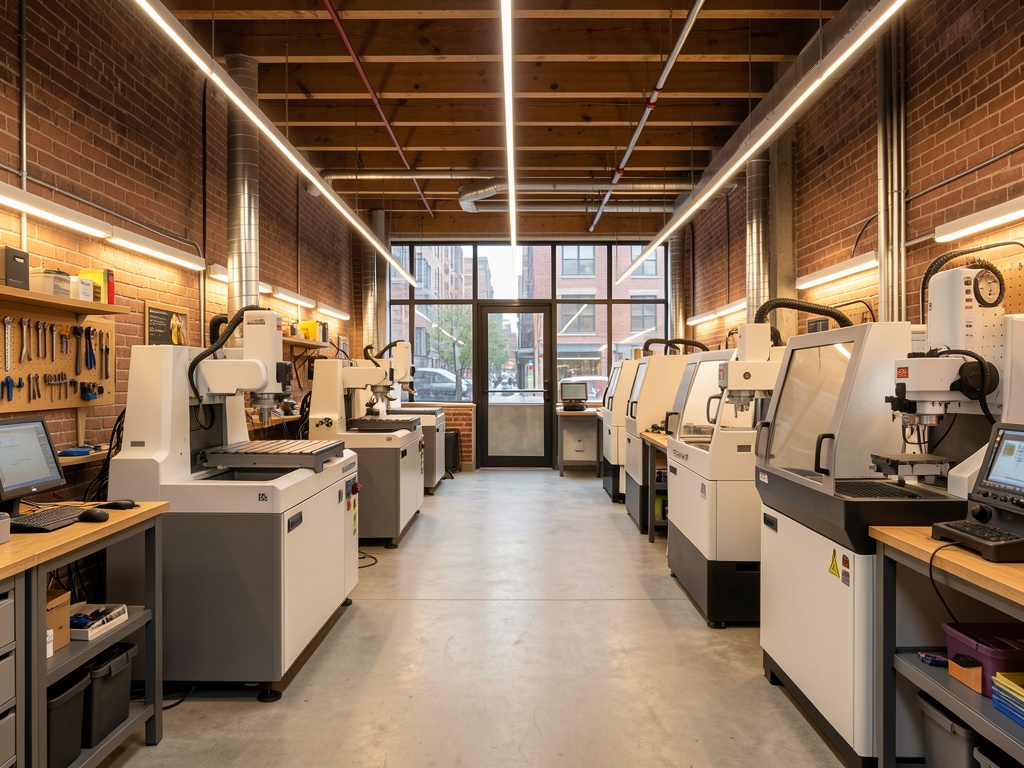
Global supply chains optimise for cheap. Microfactories optimise for near. Inside compact urban workshops, CNC cells and printers knock out parts that used to wait weeks on a ship.
They won’t replace mega-factories for commodity volume. They shine for custom runs, emergency spares, and products that change design every fortnight.
Cities like the jobs and the shorter truck routes. Neighbours ask about noise and zoning. Operators who design for quiet hours and clean fronts keep the peace.
Resilience is the real product. When a distant disruption hits, the neighbourhood shop that can make a bracket overnight suddenly looks strategic.
Microfactories trade peak efficiency for speed and neighbourhood resilience.
- Use them for custom runs and emergency spares.
- Design for quiet hours if you’re near apartments.
- Measure truck-kilometres avoided, not just unit cost.
- Keep a dual path for true commodity volume.
When a distant disruption hits, the local shop that can cut a bracket overnight looks strategic overnight.
None of this arrives as a clean discontinuity. It shows up as slightly different meetings, slightly different checklists, and a few people who quietly stop doing the old workaround because the new path finally hurts less.
Seen up close, the pattern is less about breakthrough theatre and more about quieter competence: fewer surprises, clearer owners, and tools that survive contact with Tuesday afternoon.