
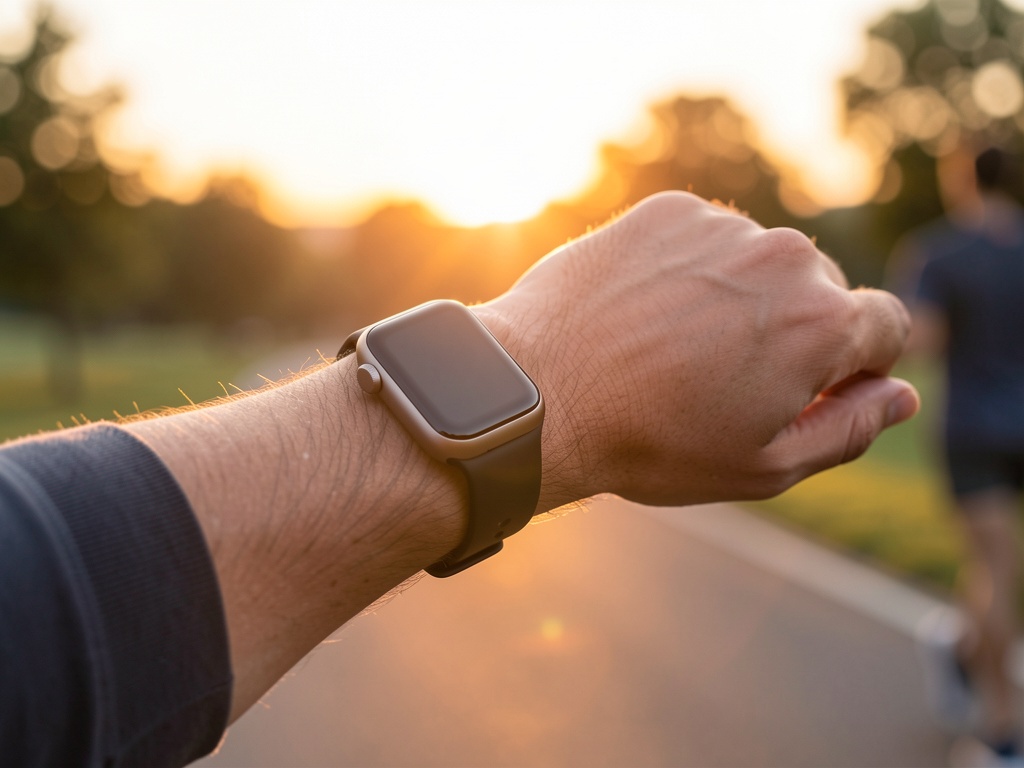
For a decade, wearables competed on metrics: more sensors, denser charts, louder achievements. Lately the winners talk less about VO2 and more about “take a walk before that 3 p.m. meeting.”
Coaching tones risk sounding preachy. The better implementations feel like a friend who noticed your sleep tanked and suggests an earlier night without shame. Context — calendar stress, recent workouts — makes nudges land.
Privacy questions follow. Coaching needs data. Clear controls and on-device processing help; vague cloud promises don’t.
The watch that changes behaviour beats the watch that merely documents decline. Companies finally seem to believe that.
Coaching watches win when nudges feel contextual, not nagging.
- Prefer suggestions tied to your calendar stress.
- Keep health data controls visible and revocable.
- Ignore streaks that punish rest days.
- Pair the watch with one habit, not twelve dashboards.
Behaviour change beats chart density. Vendors are finally designing like they believe that.
None of this arrives as a clean discontinuity. It shows up as slightly different meetings, slightly different checklists, and a few people who quietly stop doing the old workaround because the new path finally hurts less.
Seen up close, the pattern is less about breakthrough theatre and more about quieter competence: fewer surprises, clearer owners, and tools that survive contact with Tuesday afternoon.