
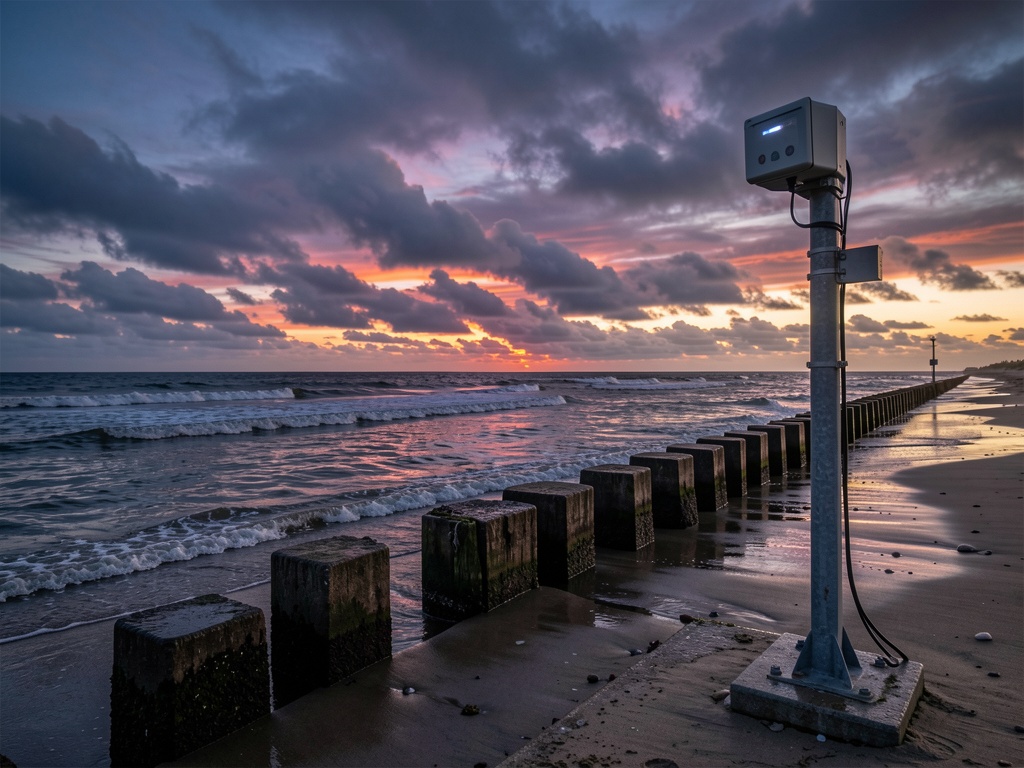
Adaptation used to sound like a global white paper. Increasingly it looks like a sensor on a culvert, a heat map of bus stops that fry at noon, or an app that warns a warehouse before a king tide.
Local context is everything. A coastal town’s needs differ from an inland farming region’s. Vendors who parachute in with generic dashboards lose to teams that walk the ditches.
Funding still lags ambition. The projects that survive combine council budgets, insurer interest, and community groups who refuse to wait for perfect policy.
The point isn’t predicting every disaster. It’s removing a few ugly surprises — and giving people time to move sandbags, shift stock, or check on neighbours.
Climate adaptation tech works when it’s tied to a ditch, a bus stop, a tide chart.
- Map heat and flood risk at street scale.
- Combine council budgets with insurer interest where possible.
- Put sensors where failures already hurt people.
- Measure warnings that changed behaviour, not just pings sent.
Less abstract, more local — that’s how adaptation stops being a white paper.
None of this arrives as a clean discontinuity. It shows up as slightly different meetings, slightly different checklists, and a few people who quietly stop doing the old workaround because the new path finally hurts less.
Seen up close, the pattern is less about breakthrough theatre and more about quieter competence: fewer surprises, clearer owners, and tools that survive contact with Tuesday afternoon.