
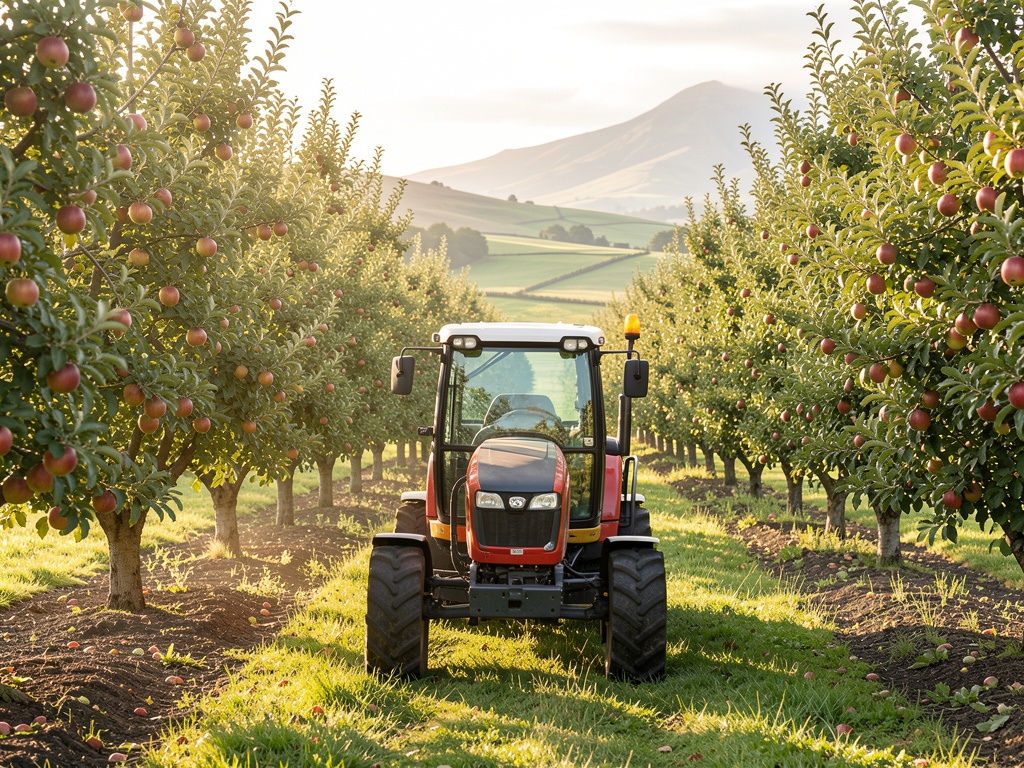
Orchard robotics used to look like science-fair projects that wilted after harvest season. This year, a handful of South Island growers say the machines are finally covering enough rows to matter on the ledger.
The robots don’t replace skilled pickers for premium fruit. They take the repetitive passes — thinning, scanning for ripeness, gathering what humans leave behind. That division of labour is why farmers are willing to keep the trials going.
Mud, wind, and uneven ground still break assumptions baked into lab demos. Vendors who stay on-site through a wet week earn trust; those who vanish after the photo op don’t get invited back.
Nobody pretends this is a silver bullet for horticulture labour. It’s a pressure valve — and in a tight season, that may be enough.
Orchard trials taught a blunt lesson: robots earn trust in metres of row completed, not in white papers.
- Start on flatter blocks with consistent canopy height.
- Keep humans on premium fruit; automate the repetitive passes.
- Require vendor techs on-site through at least one wet week.
- Track bruised fruit as carefully as picks per hour.
Farmers don’t need perfection. They need a machine that shows up when labour doesn’t.
None of this arrives as a clean discontinuity. It shows up as slightly different meetings, slightly different checklists, and a few people who quietly stop doing the old workaround because the new path finally hurts less.
Seen up close, the pattern is less about breakthrough theatre and more about quieter competence: fewer surprises, clearer owners, and tools that survive contact with Tuesday afternoon.