
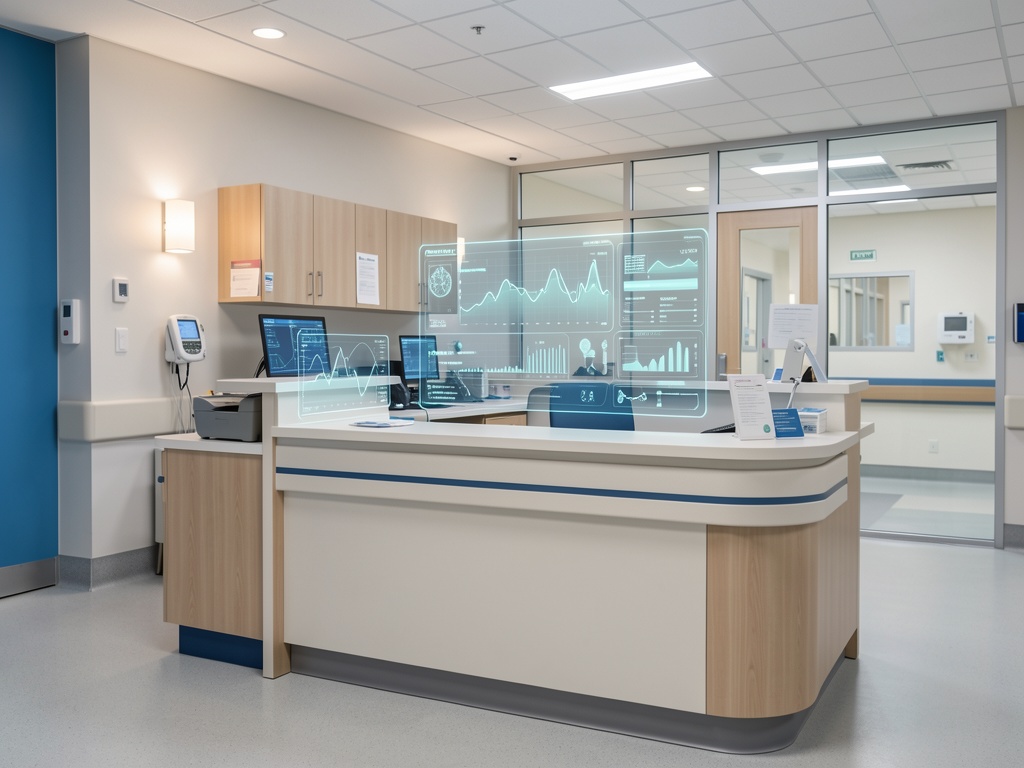
On a Tuesday morning in Wellington, a triage nurse glances at a side panel that wasn’t there six months ago. It doesn’t shout alarms. It simply flags that a patient’s vitals and notes look a lot like cases that deteriorated overnight last winter.
That understated approach is deliberate. Hospitals trialing AI triage assistants in New Zealand are treating the software as a second set of eyes, not an autopilot. Clinicians still decide who moves first; the model only ranks risk signals pulled from chart notes, wearables where available, and historical patterns.
Early feedback is mixed in a useful way. Nurses say the prompts catch subtle combinations they might miss during a busy intake. Doctors worry about alert fatigue if the thresholds are too twitchy. Vendors, for their part, are being asked for audit logs that show why a case was elevated — a must if these tools ever leave the pilot ward.
Nobody is claiming the tech will fix staffing shortages. What it may do is buy a few critical minutes when the waiting room is overflowing and the next decision has to be right.
What surprised clinicians most wasn’t accuracy on tidy training sets — it was how the tool behaved on messy Tuesday mornings: overlapping notes, incomplete vitals, and patients who don’t fit neat categories.
Hospitals that treat the pilot as a change-management project, not a software install, are the ones still running it after the vendor demos end.
- Keep a human veto on every escalation path.
- Log why a case was flagged, not just that it was flagged.
- Measure minutes saved and false alarms with equal honesty.
- Train night-shift staff separately — their workflows differ.
If those habits stick, AI triage becomes furniture: useful, quiet, and rarely the headline. If they don’t, it becomes another dashboard nobody trusts after week three.
None of this arrives as a clean discontinuity. It shows up as slightly different meetings, slightly different checklists, and a few people who quietly stop doing the old workaround because the new path finally hurts less.
Seen up close, the pattern is less about breakthrough theatre and more about quieter competence: fewer surprises, clearer owners, and tools that survive contact with Tuesday afternoon.