
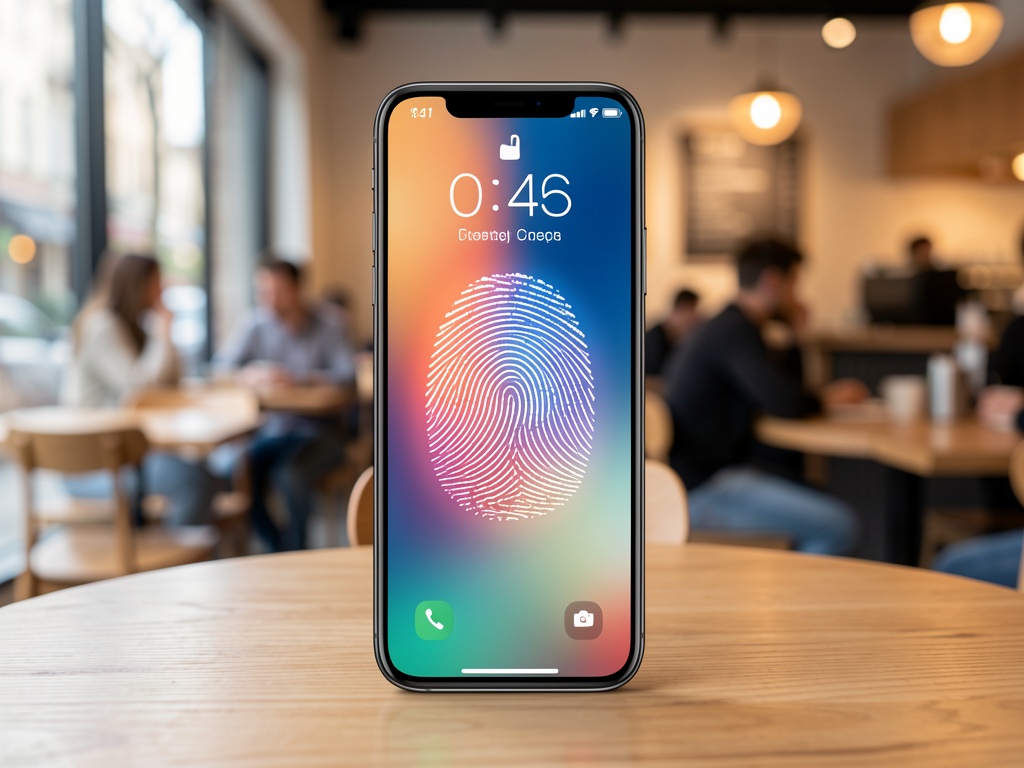
For years, passkeys lived in keynote slides. Now they’re showing up on login screens your parents actually use. Banks and large retailers are nudging customers toward biometric or device PIN sign-in, and the backlash has been milder than password-reset forums predicted.
The reason is practical. People hate SMS codes that arrive late. A face scan that unlocks a saved passkey feels faster than typing a password they forgot twice this month.
Support teams still field confusion when someone switches phones. The winners publish dead-simple recovery flows. The losers bury help pages and wonder why adoption stalls.
Phishing doesn’t vanish overnight, but credential stuffing gets harder when there’s no reusable secret to steal. That’s not a slogan — it’s a quieter inbox for security teams.
Passkeys spread when recovery is boring and documented. That’s the unglamorous half of the rollout.
| Moment | What users need | What breaks trust |
|---|---|---|
| First setup | One-screen guidance | Jargon about cryptography |
| New phone | Clear restore path | Support that shrugs |
| Shared family device | Simple boundaries | Silent lockouts |
Ship those moments well and the complaints fade into background noise — the best fate for security UX.
None of this arrives as a clean discontinuity. It shows up as slightly different meetings, slightly different checklists, and a few people who quietly stop doing the old workaround because the new path finally hurts less.
Seen up close, the pattern is less about breakthrough theatre and more about quieter competence: fewer surprises, clearer owners, and tools that survive contact with Tuesday afternoon.