
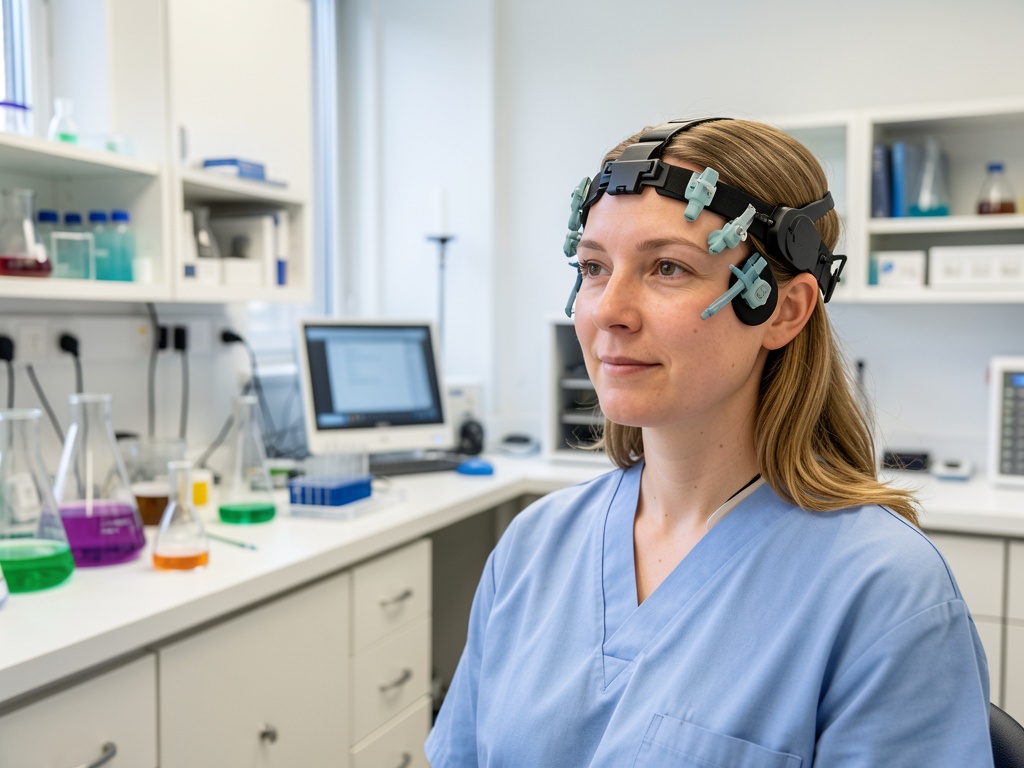
Brain-computer interface headlines swung from miracle to menace. The present tense is smaller: carefully monitored trials, patients with clear medical need, and regulators asking slow questions.
Restoring communication or movement for people with severe paralysis remains the strongest case. Consumer telepathy cosplay can wait.
Consent, data ownership, and long-term implant maintenance aren’t side issues — they are the product requirements. Teams that treat ethics as paperwork will earn scandals.
Progress here should feel deliberate. When it doesn’t, someone is selling a story ahead of the evidence.
Brain-computer interface progress should feel deliberate — because it must.
- Prioritise medical need over consumer telepathy cosplay.
- Treat consent and data ownership as core requirements.
- Plan for long-term implant maintenance, not just surgery day.
- Be suspicious of demos that outrun peer review.
Caution isn’t the opposite of innovation here. It’s the price of doing it right.
None of this arrives as a clean discontinuity. It shows up as slightly different meetings, slightly different checklists, and a few people who quietly stop doing the old workaround because the new path finally hurts less.